Note: we played a version of the game currently in development on PS5.
Walker Rider Ranger
Storytelling has never been the strong point of the Monster Hunter license. Even though Capcom has made many efforts to fill this gap, monster hunting remains the priority and is generally enough to compensate for this weakness. On the other hand, for an RPG like the Monster Hunter Stories series, this aspect becomes more problematic. Monster Hunter Stories 2: Wings of Ruin had already marked clear progress compared to the first opus and, from what we saw during the first two chapters of the game, Monster Hunter Stories 3: Twisted Reflection takes storytelling to a whole new level. We have a more mature, more dramatic and even political setting, without forgetting to keep a good-natured atmosphere that warms the heart.
The story takes place several generations after the events of Stories 2 and features two kingdoms, Azuria and Vermeil. Both are on the brink of major conflict as the natural balance of the world collapses. The scarcity of monsters, combined with a mysterious phenomenon affecting the ecosystem, pushes nations towards war. In this context, the protagonist is one of the last Riders capable of forming a bond with the monsters and finds himself at the heart of a defining event. As a child, he witnessed the birth of two twin Rathalos, whose existence seemed linked to the catastrophe that befell the world.
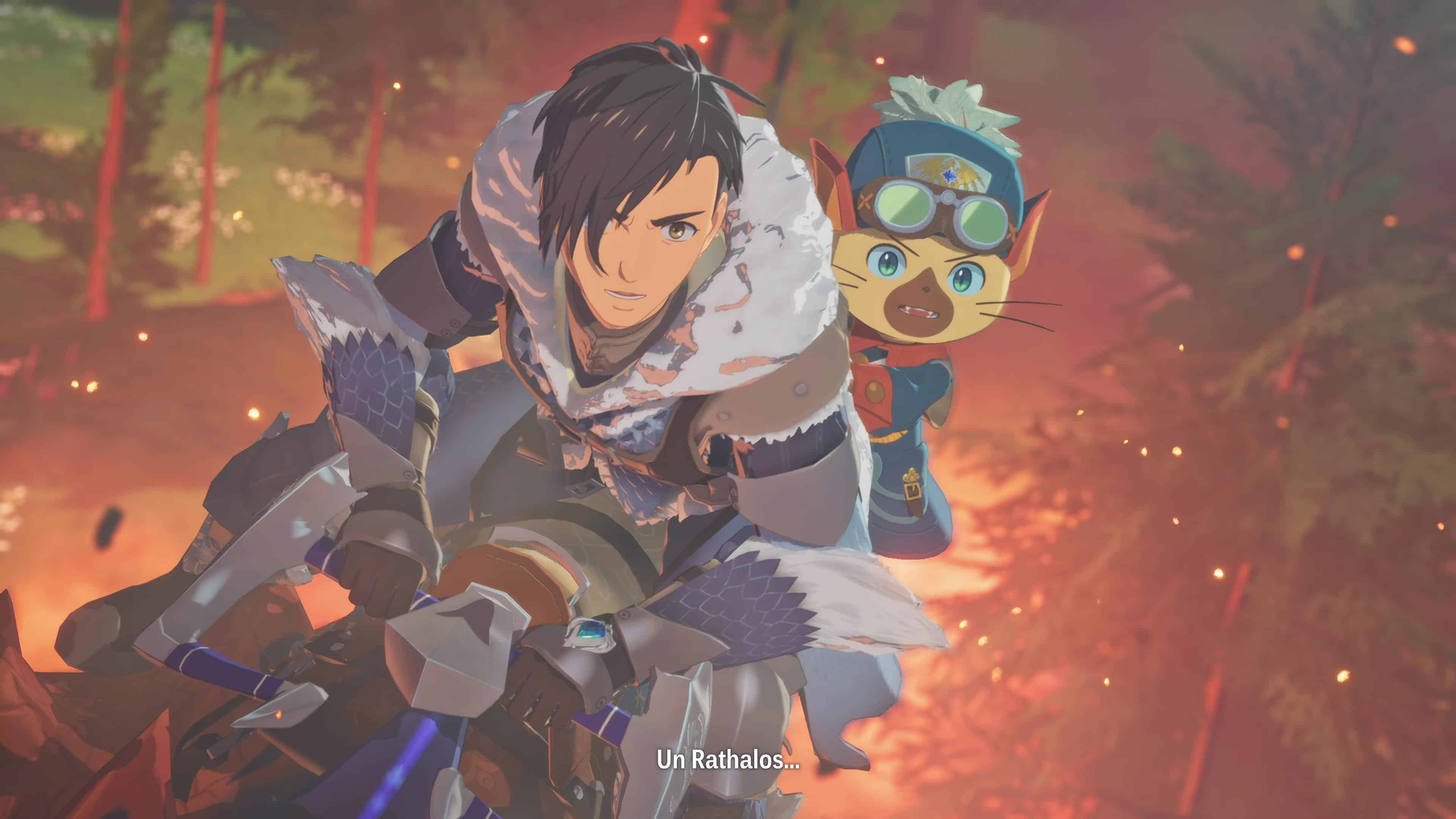
Having become an adult, prince (or princess) of Azuria and accomplished Rider, he will have to understand the origin of this phenomenon and restore ecological balance before the crisis degenerates into total war. To do this, he will have to venture into forbidden lands, accompanied by his friends and fellow Rangers. What you were able to discover in the demo was only an introduction intended to introduce the universe and the characters, before the real start of the adventure. Having been able to progress further and complete Chapter 2, we confirm our good impressions regarding the narration of Monster Hunter Stories 3: Twisted Reflection.
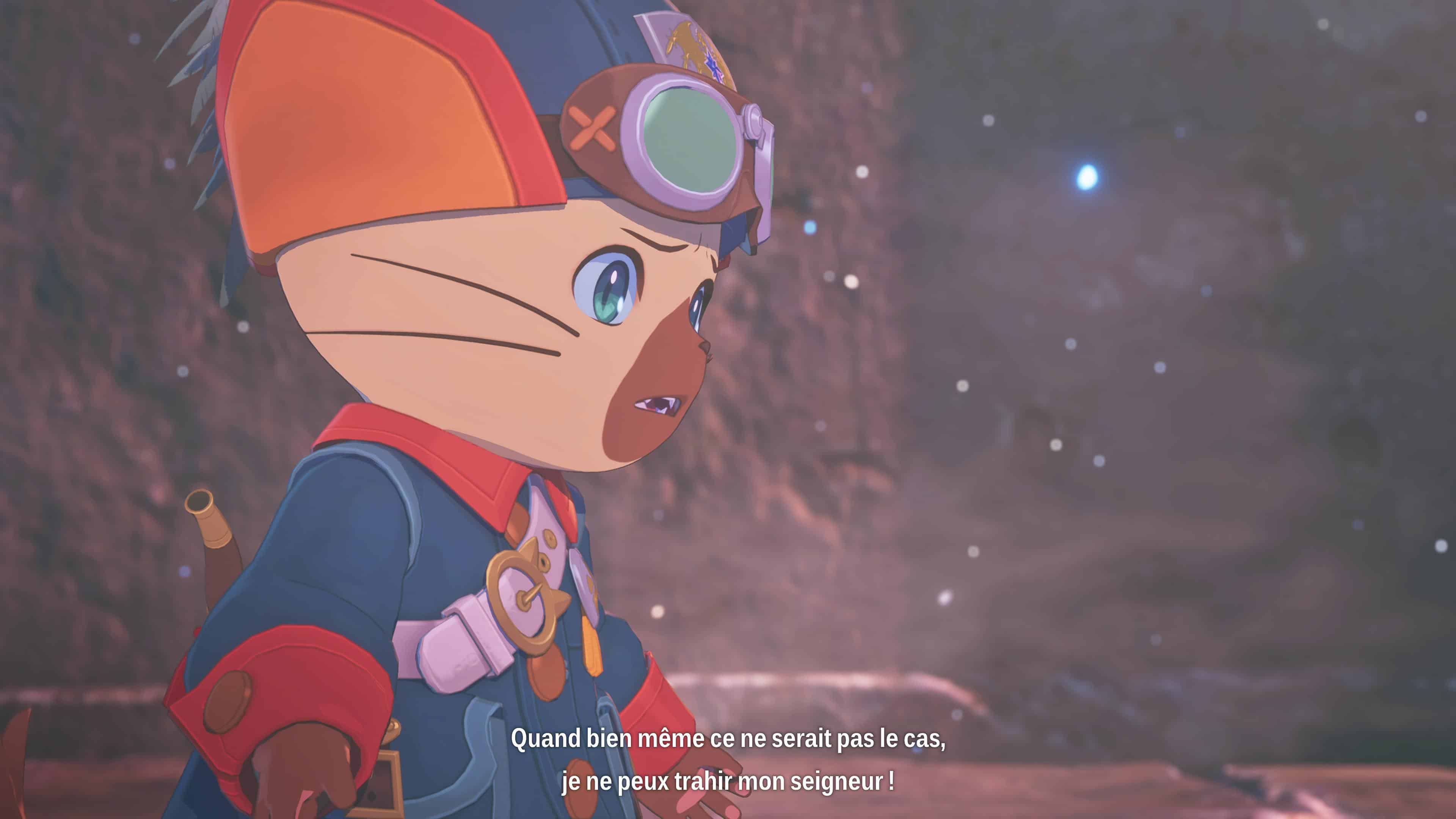
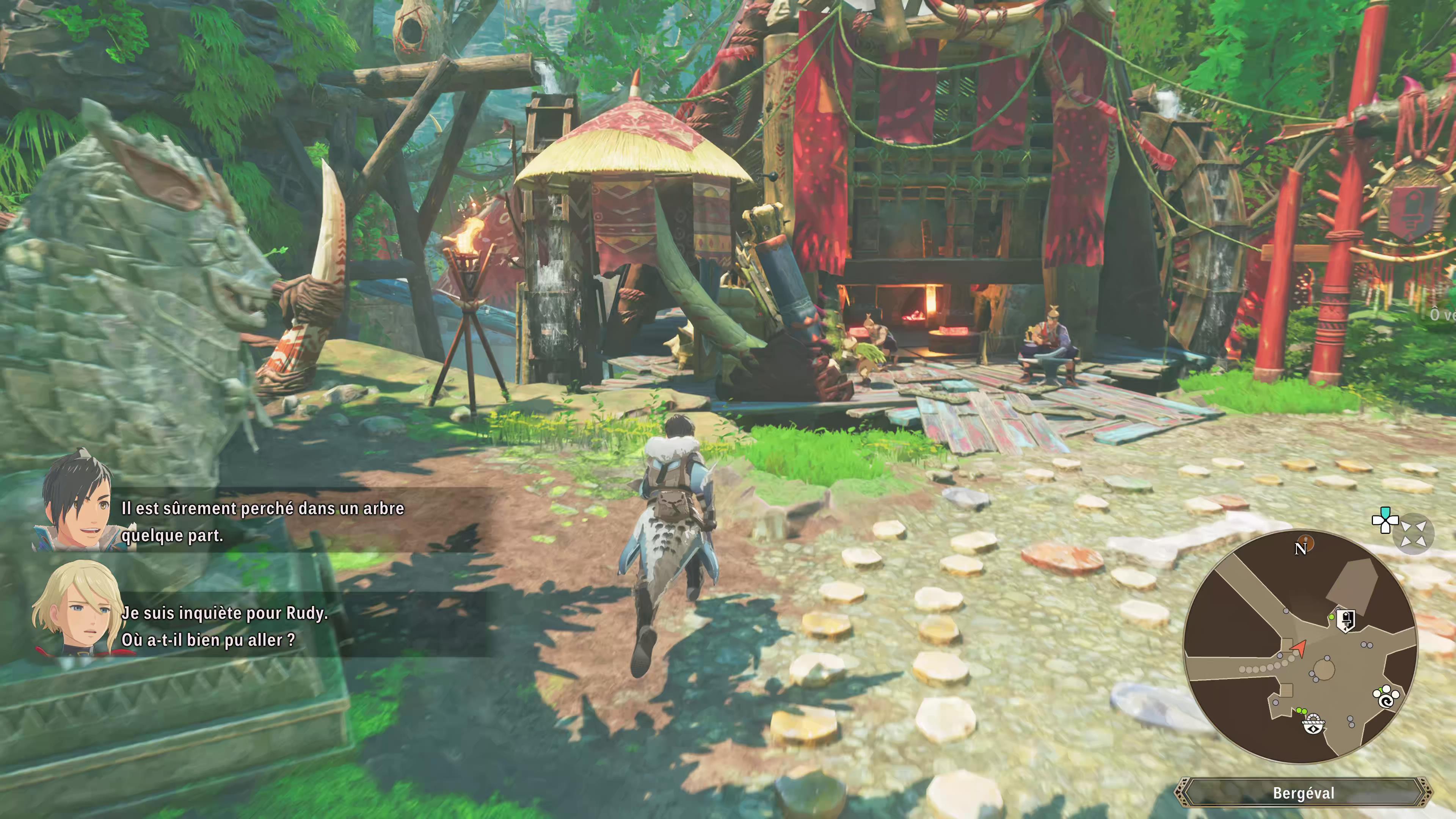
Beyond a few dramatic moments, it is above all the characters who surprise the most. Capcom took care to develop all the members of the Ranger troop, allowing you to quickly become attached to them. If the principle is confirmed, each chapter of the main story unlocks additional episodes dedicated to each member of the team, which allows you to learn more about their motivations and their past. The group appears to be quite heterogeneous for the moment, with profiles that complement each other well. Even Rudy, the Palico mascot of this opus, is more sympathetic and interesting than Navirou.
Fast and furious monsters
The gameplay remains based on the formula of the series, namely a turn-based strategic RPG centered on the relationship between the Rider and his Monsties, but it introduces several notable developments which make the clashes much more enjoyable than in the previous title. The fights are still based on tactical logic opposing different types of attacks according to a rock-paper-scissors system, but the new mechanics, such as special gauges and synchronized attacks, bring more dynamism and spectacular moments, in addition to the sublime special attacks of the franchise which are even more impressive thanks to this enhanced visual quality.
In order to break the parts of enemy monsters or capitalize on their weaknesses, it is always possible to change Monstie and weapon at the start of each turn. To support us, we also have a companion and his Monstie, who assist us during confrontations. The latter are managed by the AI, but fortunately they are far from being cumbersome in combat. By completing their side chapters, you unlock new weapons as well as new abilities for their Monsties. What is most surprising in this evolution of the combat system concerns the balancing and the increase in the level of challenge. In Stories 2, the fights could sometimes be repetitive and mechanical (the difficulty being mainly reserved for multiplayer confrontations), whereas Monster Hunter Stories 3 does no favors if you are not properly prepared.
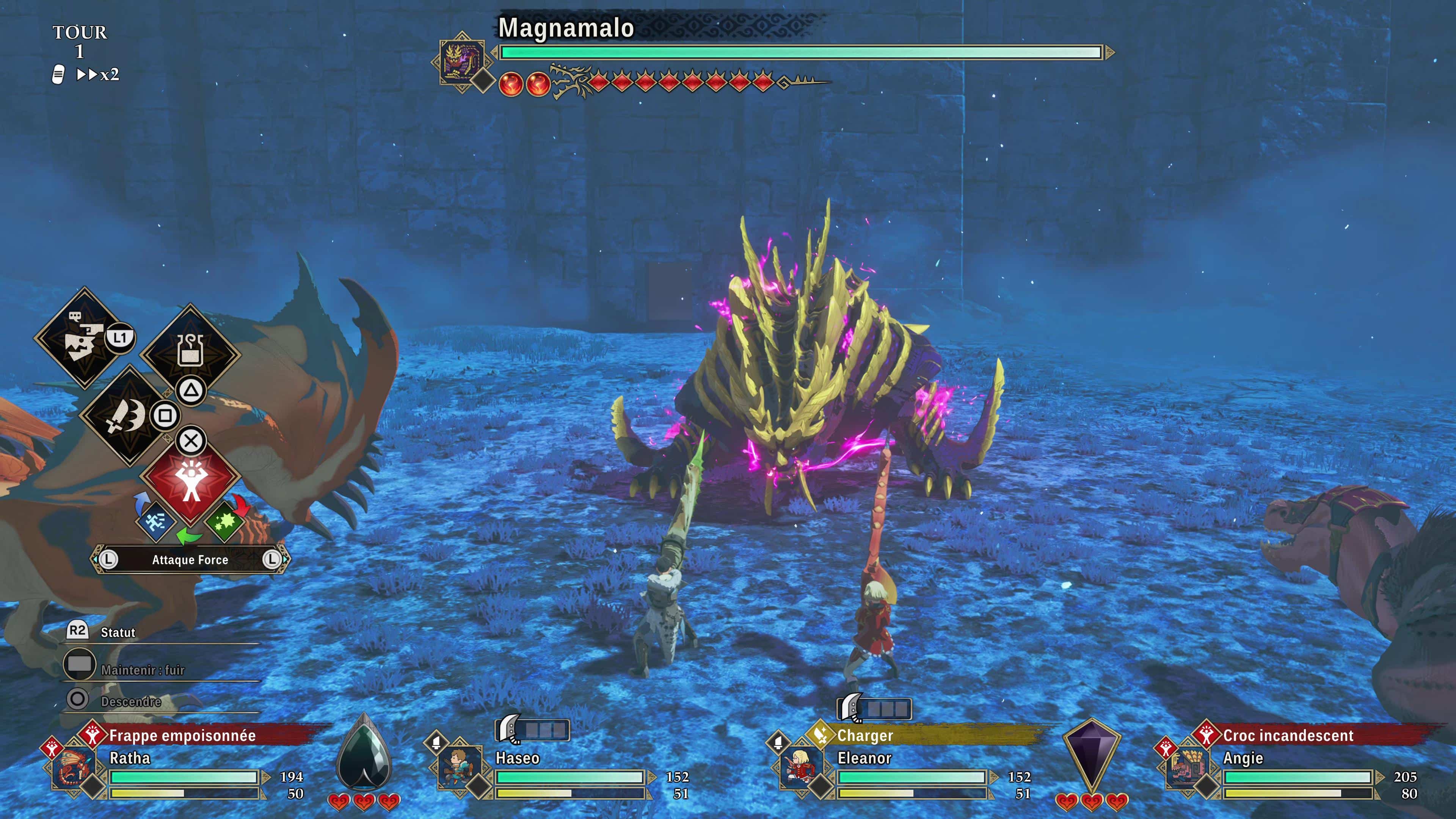
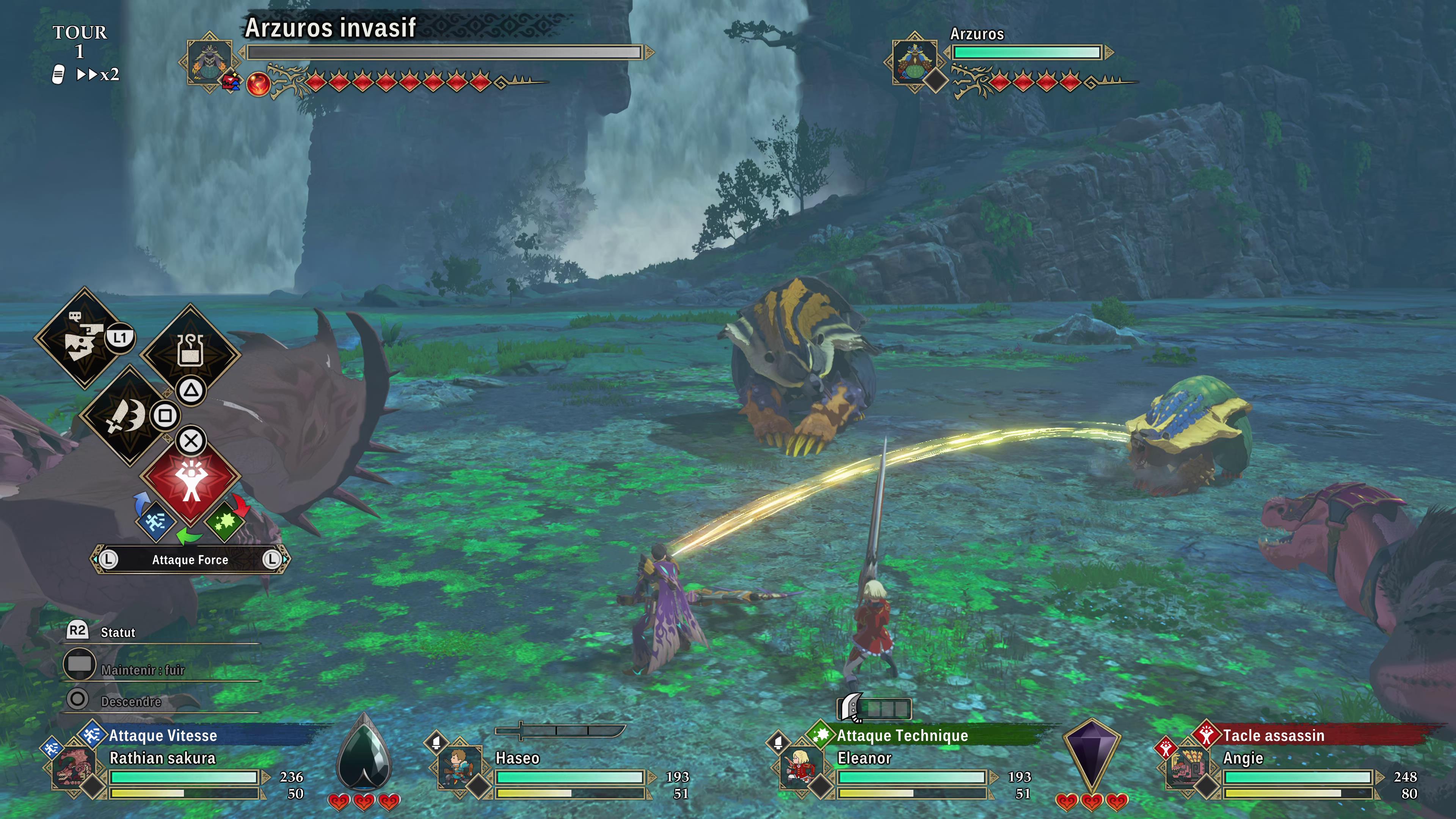
Each fighter has three hearts, and once these are exhausted, the game ends in a game over. Except for the ally controlled by the AI, who simply finds himself out of combat for one or two turns before returning to the battlefield. Even with good equipment and a high level Monstie, one-hit KOs are still common. The game thus requires us to know the monsters, their weaknesses, their attacks, the parts to target as a priority and the state alterations to apply. Items also play a much more important role and are no longer just RPG consumables. As with the original hunting game, they can prove decisive and turn the situation to our advantage.
The peak of difficulty is reached with furious monsters, creatures altered by quartz eggs from the environment and significantly more powerful than classic species. Defeating them in a region allows you to set up camp and access ecosystem restoration options. Still a notch above are invasive species. We haven’t managed to defeat one yet, but these bosses are first intended to be pushed back into the storyline in order to obtain an egg belonging to an endangered species. Even when the objective is simply to push them back to their den, the task can become impossible if we have not first collected the clues necessary to analyze their weaknesses.
We thus find a rather nice little deduction system, even if the dialogues sometimes spoil the pleasure by giving almost the entire solution. On the other hand, we would have appreciated being able to consult the Monstropaedy in the middle of combat, if only to have a summary of the information already learned as well as the types of attacks of each monster (the combat menu only gives us the elemental and affliction weaknesses). After a while, it’s hard to remember everything as you discover new monsters.
Restoring the ecosystem through Monstie demography
One of the untouched pleasures of the license remains the egg hunt and the race for the strongest Monsties by combining the quality of the eggs and the talents that can be granted to them via the Rite of Transmission, already present in the previous games and functioning a bit like a tic-tac-toe system. By aligning colors and talent types, it is possible to trigger bingos offering stat bonuses
The main innovation of this episode lies in the restoration of the ecosystem, mentioned above. Rather than simply capturing or hatching monsters, it becomes possible to reintroduce certain species into their natural environment in order to restore the balance of the explored regions. This process directly influences the presence of new creatures, the quality of eggs found in areas, the appearance of rare monsters via mutations, as well as the obtaining of unique talents linked to the region where these eggs are collected. The evolution of the ecosystem thus becomes a central element of progression, not only to discover new monsters, but above all to create the ideal Monstie.
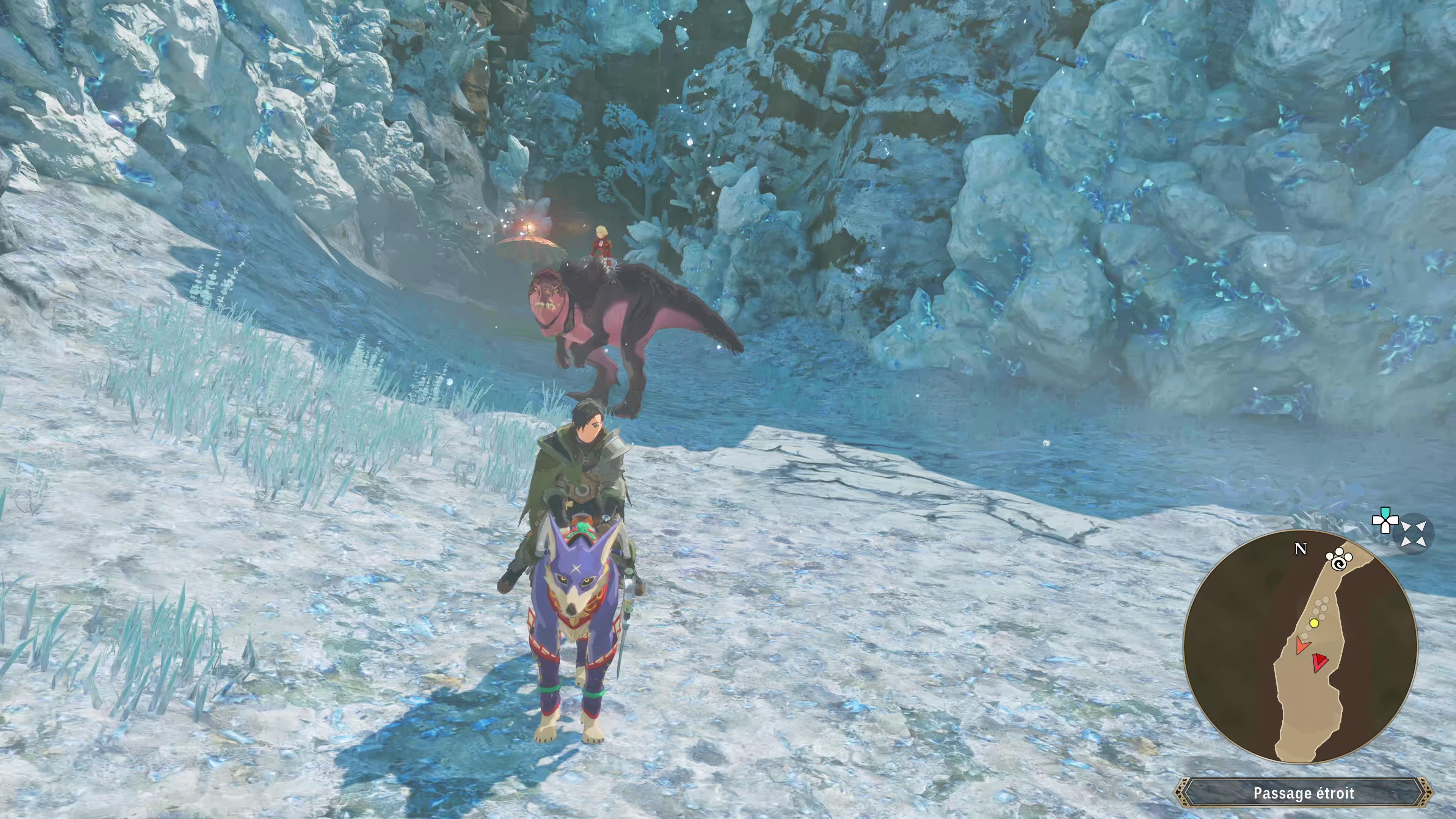
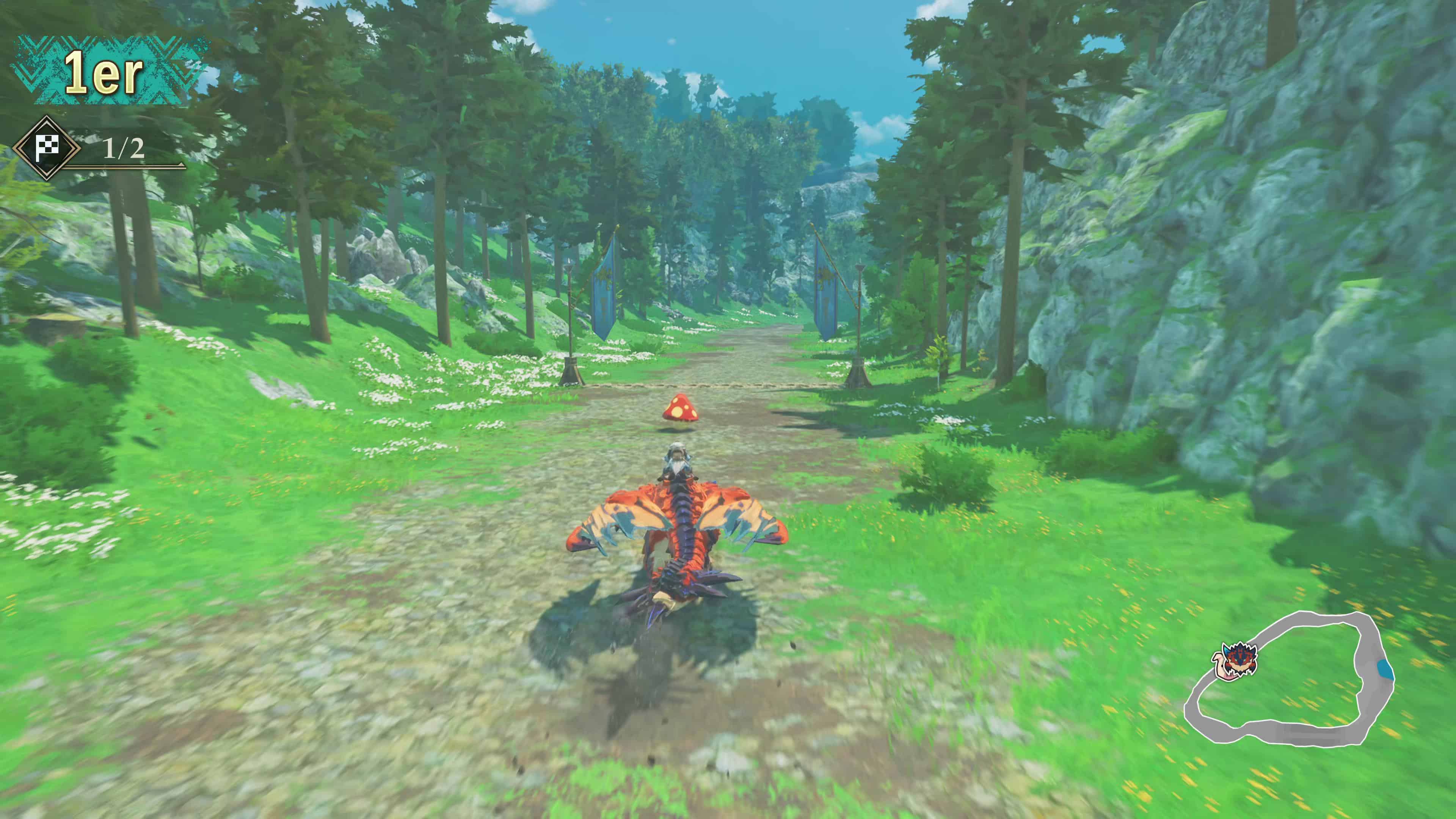
For the moment, exploration seems to be the aspect where the series renews itself the least. Certainly, we find more verticality and better exploitation of the talents of the monsters, but the whole still gives a feeling of narrowness. We could expect slightly more open environments, but nothing says that the sequel will not fill this gap.
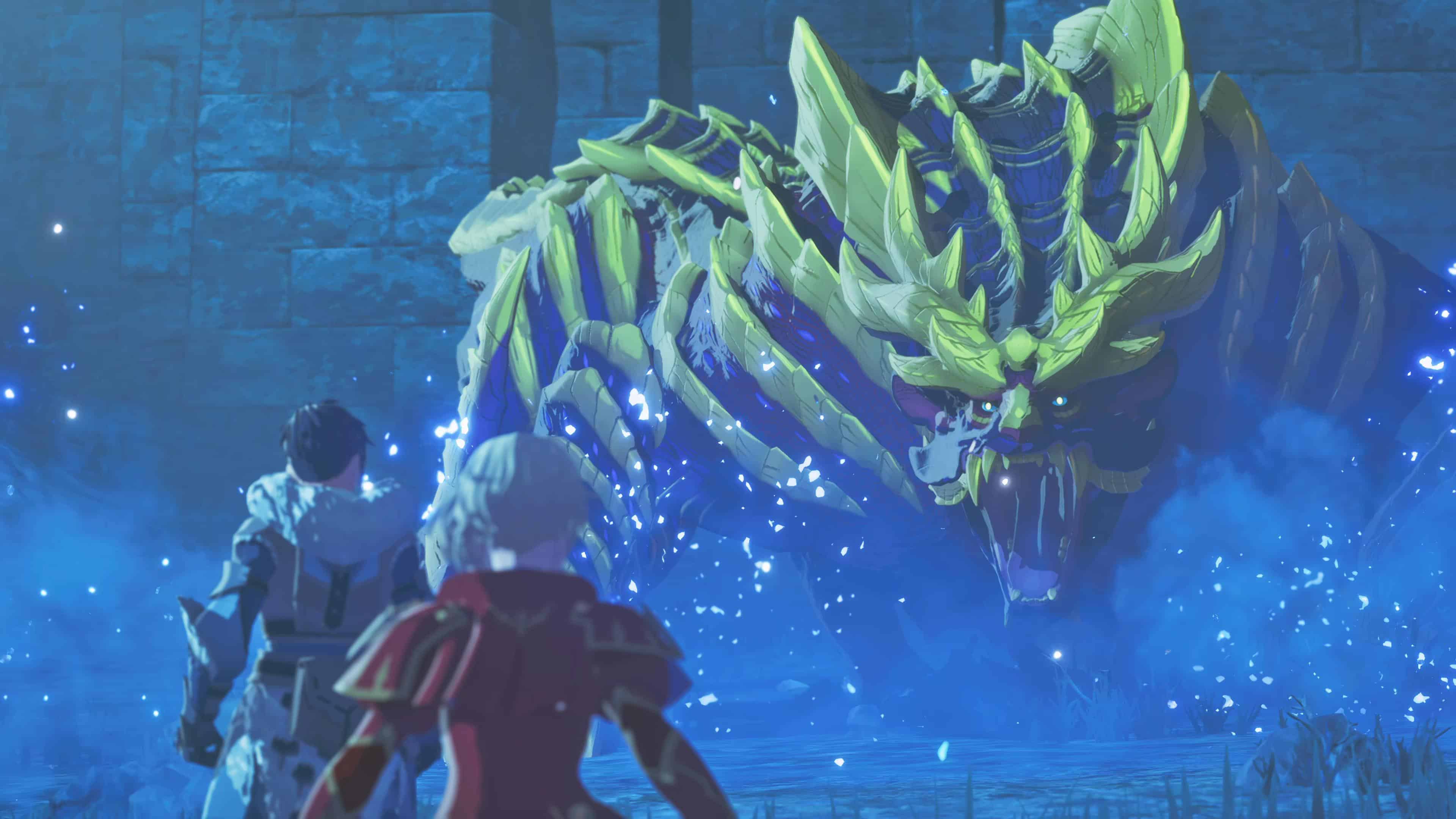
No need to dwell on the visual and technical part since the free demo has already given you a more than flattering overview. Capcom has created one of the most beautiful anime/cel-shading renderings in recent years in the industry, with an artistic direction that immediately catches the eye. Another artistic asset. Furthermore, this third opus also benefits from inspiration from the latest hunting games in the main series. Chapter 2 thus constitutes almost a tribute to Monster Hunter Riseincluding a clash against a Magnamalo, as well as the return of the Chumskys.
With Monster Hunter Stories 3: Twisted Reflection, Capcom seems to have found a more solid balance between storytelling and gameplay, offering a more mature storyline and better-developed characters, while retaining the strategic and accessible identity that makes the series so charming. The battles gain in intensity thanks to an increased level of challenge and more dynamic mechanics, while the ecosystem restoration system introduces a dimension of progression that is particularly interesting for optimization enthusiasts. Everything is not yet perfect, especially in terms of exploration which sometimes remains too linear, but overall it suggests a particularly ambitious episode. If the following chapters confirm this rise in power, Monster Hunter Stories 3 clearly has the potential to establish itself as one of the major RPGs of the year