The main characters of modern shonen anime are very different from their predecessors from the 1990s and 2000s. While earlier heroes stood out primarily for their steadfastness, their fears, traumas and emotional conflicts are now often the focus.
Shonen heroes show more weaknesses
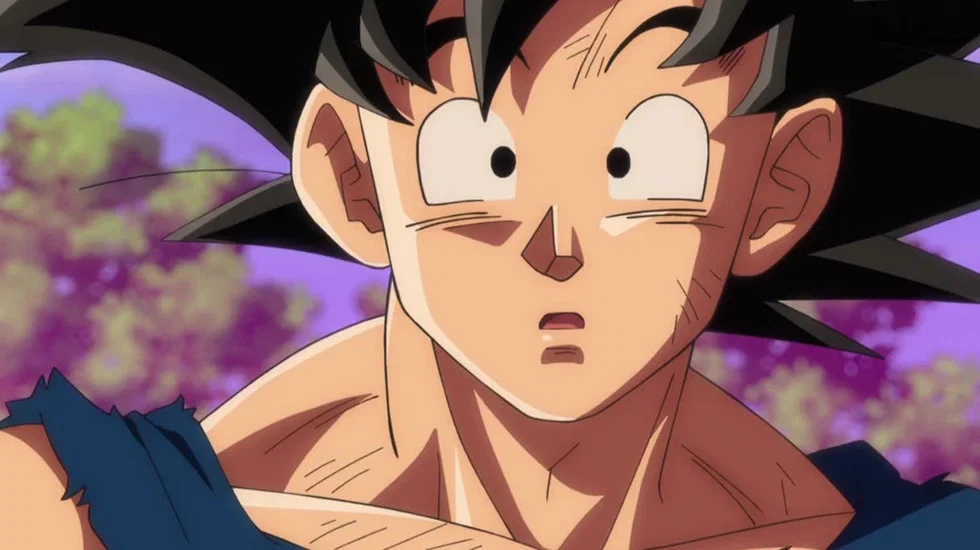
For a long time, classic protagonists such as Son Goku from “Dragon Ball”, Naruto Uzumaki from “Naruto” or Monkey D. Luffy from “One Piece” were considered symbols of the typical Shonen hero.
Although they also had to cope with numerous setbacks, their stories were characterized above all by optimism, perseverance and a firm belief in their own success.
Many newer works, on the other hand, focus much more on the psychological consequences of loss, violence and responsibility.
Accordingly, characters like Yuji Itadori from “Jujutsu Kaisen”, Denji from “Chainsaw Man” or Izuku Midoriya from “My Hero Academia” not only fight against their opponents, but also with internal conflicts.
Emotional depth becomes more important
This development is usually explained by the changing expectations of the audience, because topics such as social pressure, mental health and trauma are discussed much more openly today than they were a few decades ago.
For this reason, many viewers look less for unattainable role models than for characters whose problems and feelings seem understandable.
Shinji Ikari from “Neon Genesis Evangelion” is an early example of this change. While his insecurity was still controversial in the 1990s, emotionally vulnerable protagonists have now long been an integral part of numerous successful shonen series.
Nevertheless, classic hero images do not disappear completely. Titles like “Solo Leveling” or “Black Clover” continue to feature particularly strong main characters.
However, overall there are many indications that emotional authenticity will continue to play an increasingly important role within the Shonen target group.
More on the topic:
© BIRD STUDIO/SHUEISHA, TOEI ANIMATION